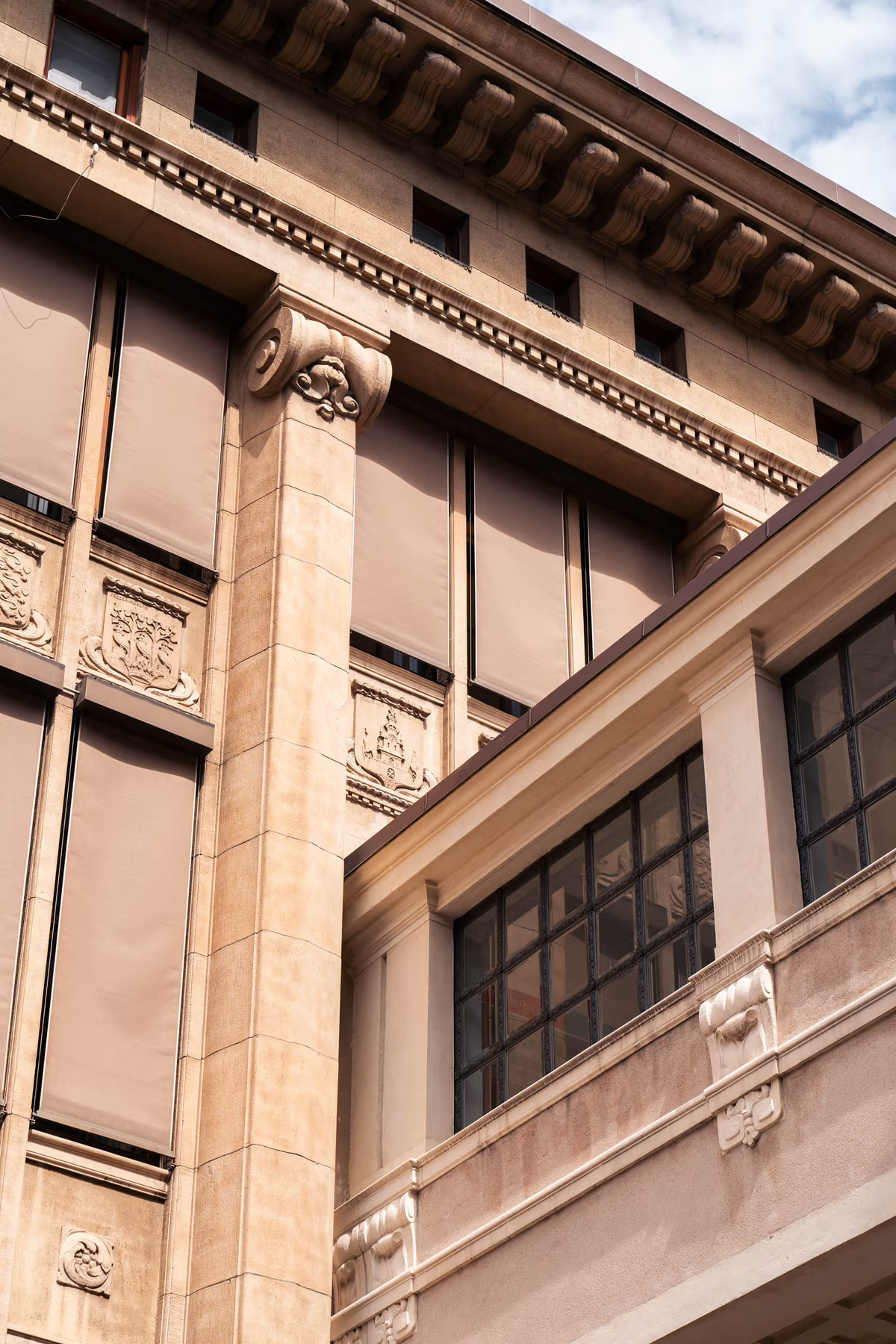
About The Laksegade Quarter
Laksegade was a street you passed, now it's a place you enter
A new chapter in the heart of Copenhagen.
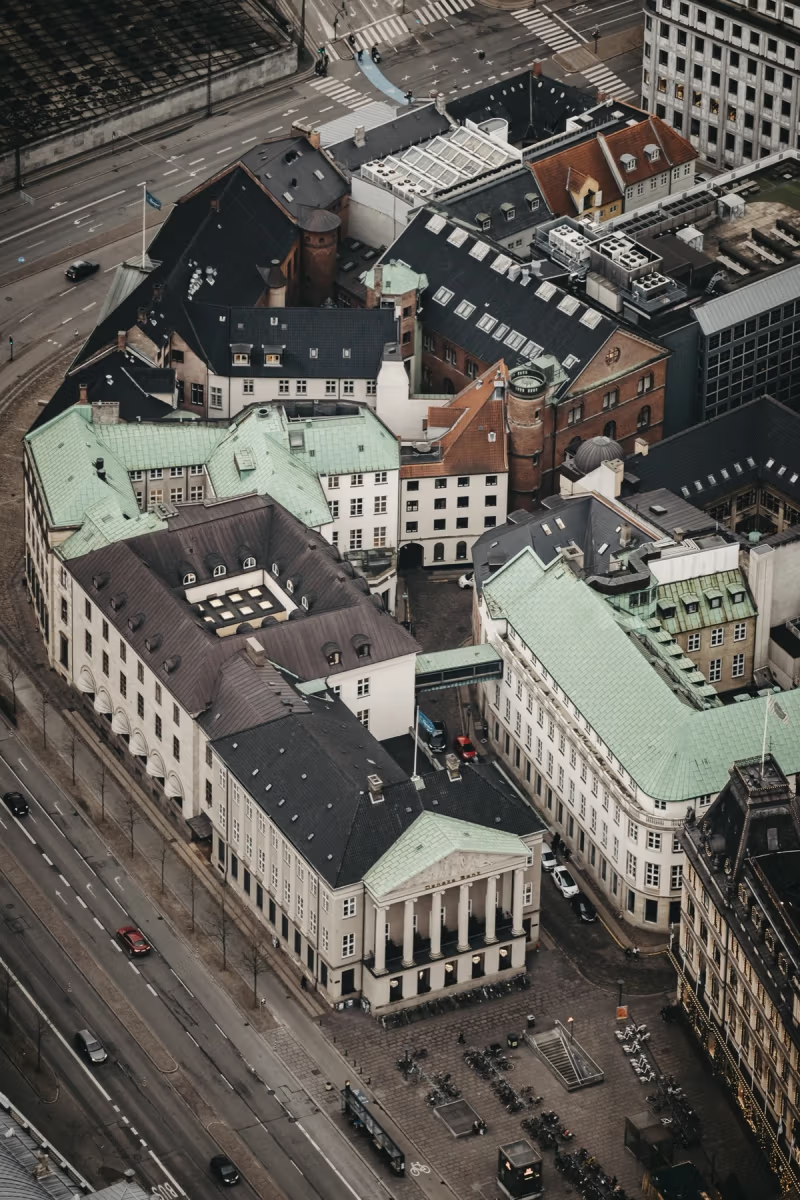
The Laksegade Quarter
Restoring the past to make room for what's next
The goal is to create a landmark neighbourhood in the very centre of the city: modern offices and hospitality above, a curated mix of retail and dining at street level, and public routes that stitch the area back into Copenhagen.
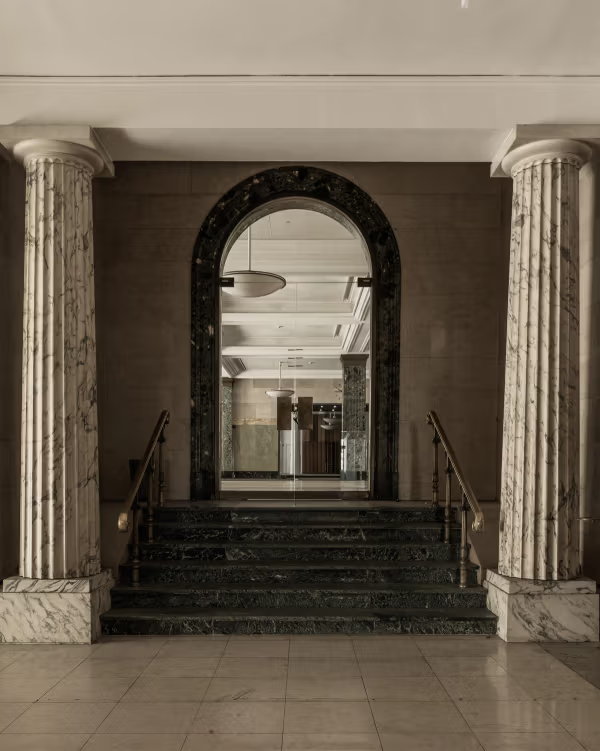
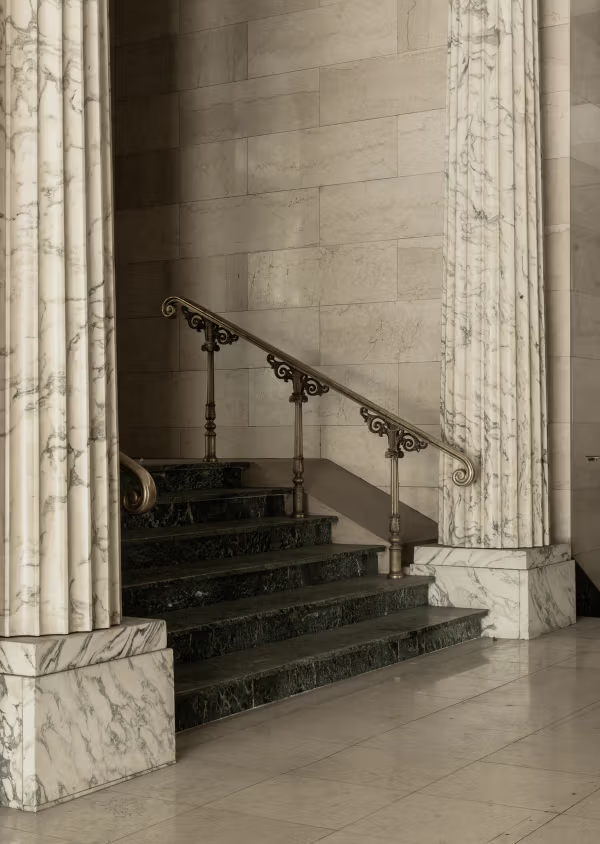
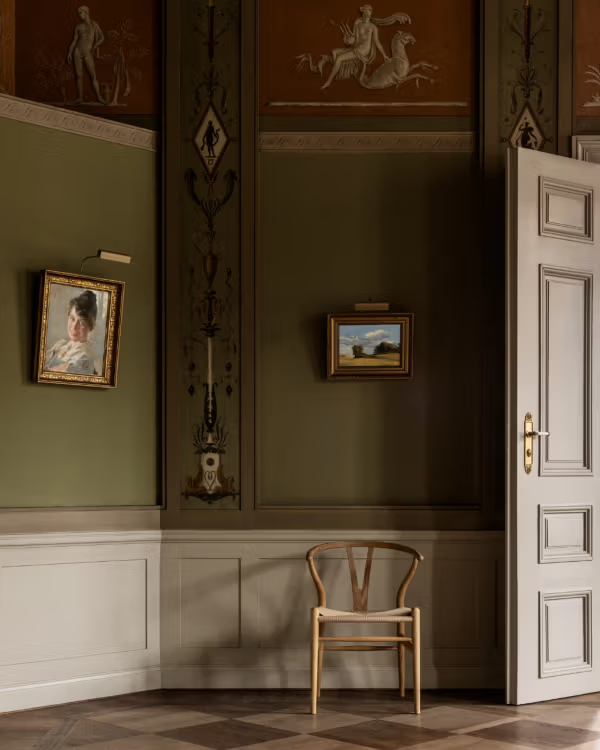
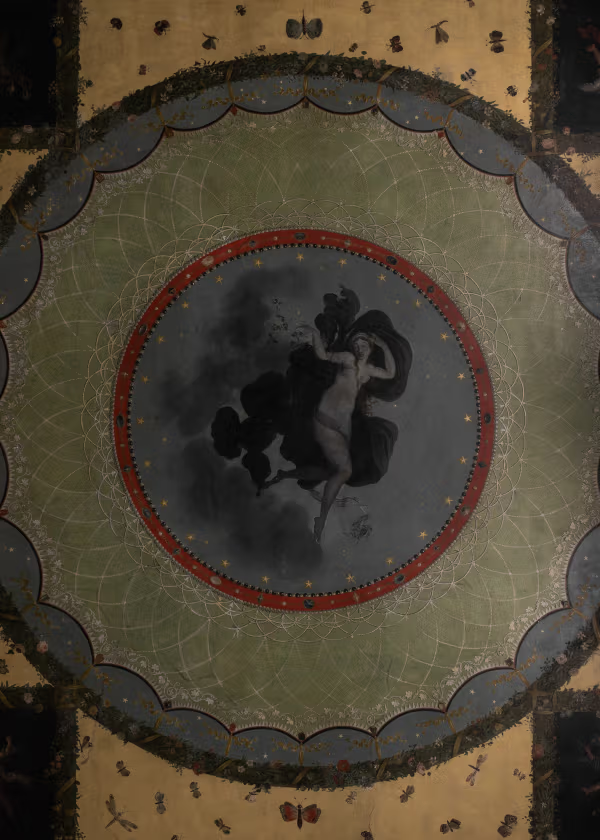
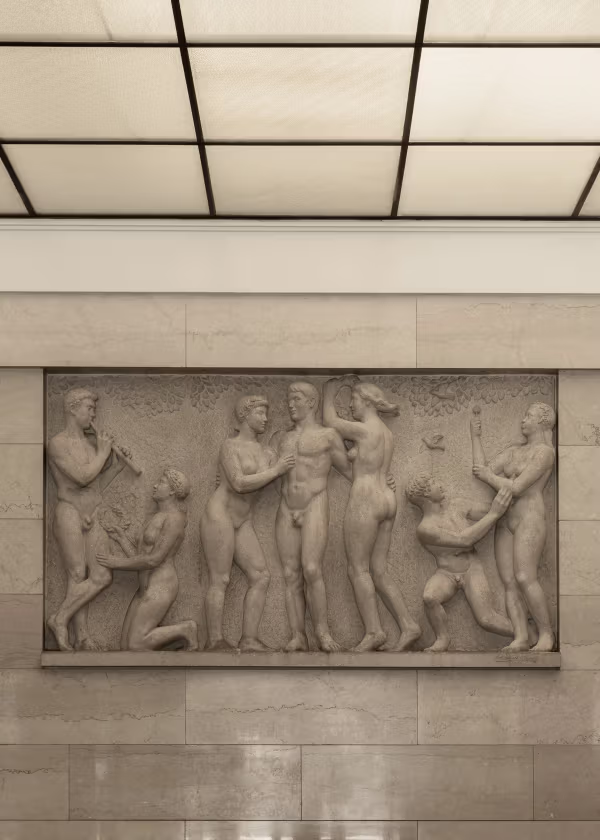
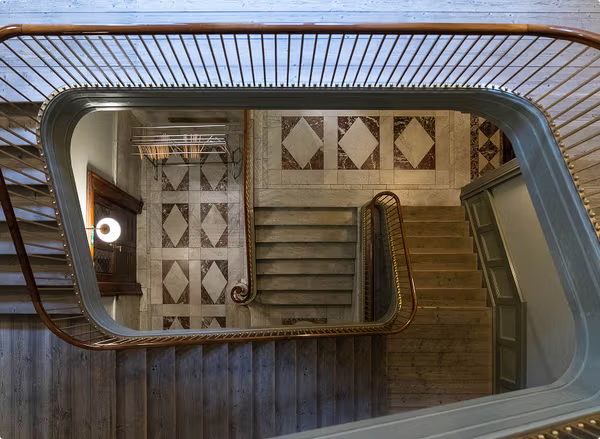
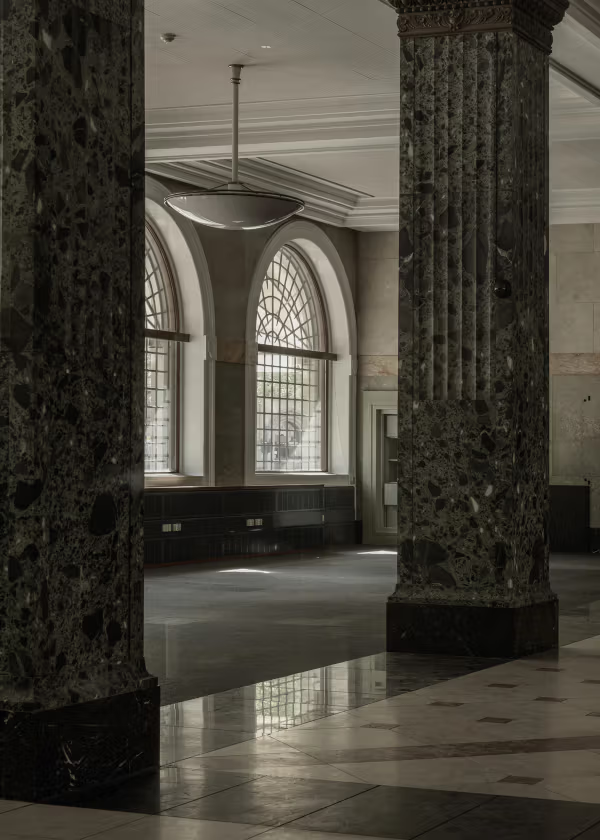
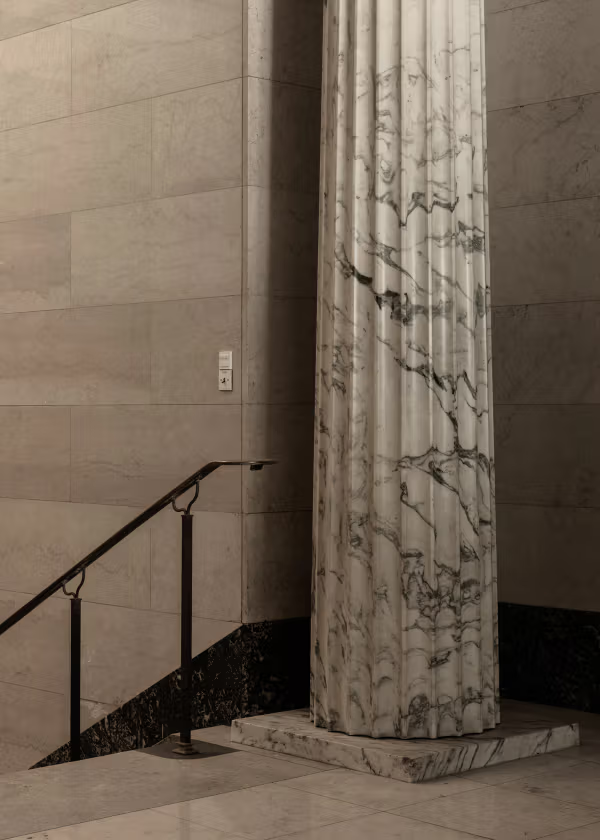
Everything is designed to feel integrated, welcoming, and distinctly Laksegade – classical architecture, restored details, and new energy in between.
For more than 150 years, the Laksegade area in central Copenhagen was a closed corner of the city, dominated by financial institutions and largely inaccessible to the public.
Now, a major restoration and redevelopment project is underway to transform this historic neighborhood of 16 buildings into a lively and inclusive urban quarter.
Rooted in centuries of history and surrounded by iconic landmarks, this project opens the doors to Laksegade once again – inviting locals and visitors alike to experience its unique character.
Just around the corner
Explore the quarter taking shape
Frequently asked questions
There are 16 buildings in total in the project, spanning 50,200 square metres altogether. This also includes a parking facility, P-hus Asylgade, which is open to the public.
Laksegade has been called Laksegade for nearly 400 years and is a central street in the area. That's why we've chosen to name the new quarter Laksegade Kvarteret.
Laksegade once neighboured other streets in the area with maritime names like Hummergade, Ulkegade, Størrestræde, and Dybet. The names refer to the fact that the King's fleet was based here and that seafarers lived in the neighbourhood until they relocated to Nyboder.
For years, the quarter has been closed off and reserved for the former banks' employees. Our vision now is to invite Copenhageners back to the buildings in and around Laksegade.
There will be shops on the ground floor and offices on the floors above. We also hope to bring in a restaurant, a café, and a hotel – all things that can help breathe new life into the quarter.
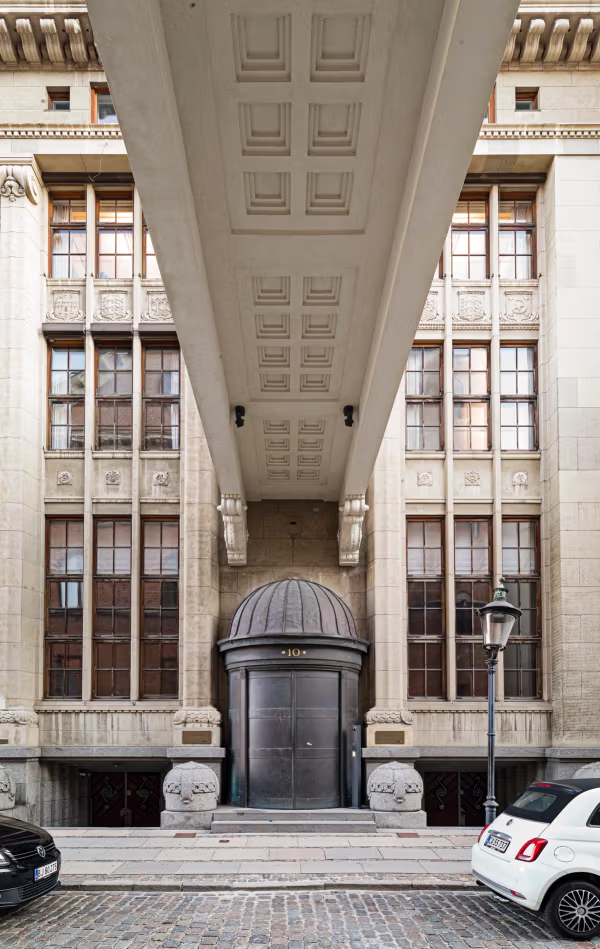
The properties in Laksegade Kvarteret are being restored with respect for their historic architectural details. The project aligns with the intentions of Local Plan no. 579, Laksegade Øst, adopted by the City Council in 2019.
For around 150 years, the quarter has stood closed off and inaccessible, and today it isn't used by Copenhageners as part of the city centre. Going forward, the area will become a natural part of central Copenhagen.
The development is a transformation, turning the 16 buildings into a new quarter. We're doing this with great respect for the listed properties, the high architectural quality, and the historic det
The aim is to carry the best of the existing buildings forward into the next chapter. For example, we're removing the glass façade on Bremerholm 33 to restore the building to its original 1969 profile.
As the owner of a listed building, you carry responsibility for part of our shared cultural heritage, and we're proud that it has be
For years, the quarter has been reserved for the bank's employees, and our highest priority now is to invite Copenhageners back to Laksegade Kvarteret. We're doing this by undertaking the renovation in close collaboration with the architects, the City of Copenhagen's Technical and Environmental Administration, the Agency for Culture and Palaces, and several other partners.
We have applied for and received building permits from the Agency for Culture and Palaces for all five listed buildings in the quarter.
In consultation with COWI and the Danish Green Building Council, we've developed a tailored model for the transformation of these unique and listed buildings, with the aim of achieving DGNB Gold Flex for the entire project.
We provide regular updates on timelines, access, and noise levels, and both Thylander and NCC ensure that safety and security in the area remain a priority throughout the project.
Sign up for our newsletter